
Maintain Clear Access Along Property Boundaries and Roads
Right-of-Way Clearing in Tyler for safe vehicle and equipment access along property corridors
Arrowhead Outdoor Services provides right-of-way clearing for property owners in Tyler who need to remove vegetation and obstacles along access roads, property boundaries, utility corridors, and fence lines. You may own rural acreage where ranch roads have become overgrown, property with utility easements that require periodic maintenance, or land where access routes have been blocked by fallen trees and dense brush. Maintaining clear right-of-way areas allows safe access for vehicles, equipment, and property maintenance, and ensures that utility crews, surveyors, and contractors can reach the areas they need to work on.
Right-of-way clearing projects vary depending on the type of corridor and the level of vegetation present. Access roads may require clearing on both sides to allow trucks and tractors to pass without obstruction. Utility corridors often have specific width requirements set by the utility company or local regulations. Fence lines and property boundaries may need clearing to establish or maintain clear demarcation between parcels. The work involves cutting back overhanging branches, removing fallen debris, and grinding or clearing brush that encroaches on the right-of-way.
If your property has access routes or corridors that have become overgrown, schedule a free site walk to review the right-of-way and discuss your clearing needs.
What Right-of-Way Clearing Accomplishes and How It Works
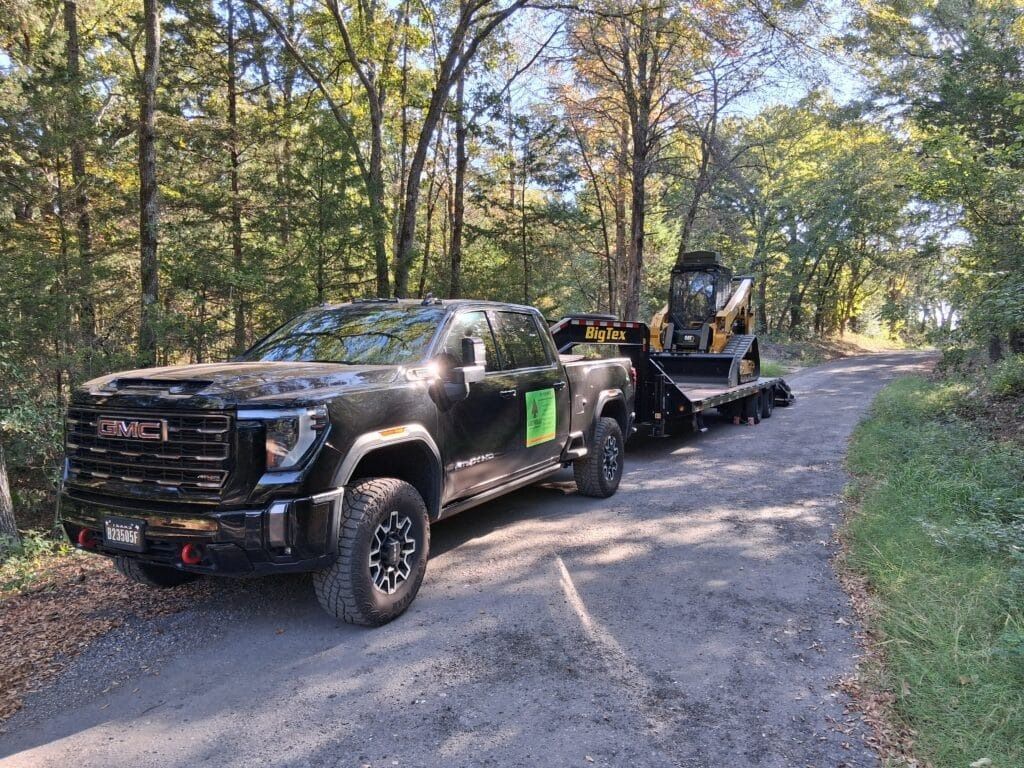
When Arrowhead Outdoor Services begins a right-of-way clearing project, the crew uses equipment suited to the width and terrain of the corridor. The work involves cutting back vegetation that encroaches on the access route, removing fallen trees or limbs, and clearing brush that blocks passage. For utility corridors, the crew follows the width specifications provided by the utility company or property owner. For access roads, the clearing is done to restore safe passage for vehicles and equipment without damaging the underlying road surface or adjacent land.
After the work is complete, you will notice clear, unobstructed access along the corridor. Vehicles and equipment will be able to pass without low-hanging branches scraping roofs or brush scratching paint. Utility crews will have the clearance they need to inspect lines or perform maintenance. Fence lines will be visible and accessible for repairs or installation. The cleared corridor will be easier to maintain going forward, and periodic clearing will require less time and effort if vegetation is managed before it becomes dense again.
Right-of-way clearing does not include grading, road repair, or culvert maintenance unless those services are specifically requested. If your project requires additional work beyond vegetation removal, those tasks must be planned separately. Arrowhead Outdoor Services has more than 20 years of experience safely clearing access routes and large property corridors, and the team is fully licensed and insured for all work performed.
What Property Owners Ask About Right-of-Way Clearing
Property owners in Tyler often ask how wide a right-of-way should be, how often clearing should be done, and what happens to the debris.
- What is the typical width for a right-of-way clearing project? Width varies depending on the purpose of the corridor. Utility easements are often 20 to 30 feet wide, while ranch roads may require 12 to 15 feet of clearance on each side. The crew confirms the width during the site walk.
- How often should right-of-way areas be cleared? Most property owners schedule clearing every two to three years to prevent vegetation from becoming too dense. High-growth areas or corridors near water may require more frequent maintenance.
- Why is it important to maintain clear utility corridors?
Utility companies require clear access for line inspections, repairs, and emergency response. Overgrown corridors can delay service and create safety hazards during storms or equipment failures.
- When is the best time to schedule right-of-way clearing in Tyler? Fall and winter are ideal because the ground is firm and equipment can move along the corridor without causing damage. Clearing during these months also makes it easier to see the full extent of vegetation encroachment.
- What happens to the vegetation removed during right-of-way clearing? Vegetation can be mulched in place along the edge of the corridor, piled for later disposal, or hauled off-site depending on the project and your preference. The crew discusses options during the site walk.
Arrowhead Outdoor Services offers free site walks and estimates so you can review the corridor, discuss width requirements, and plan the clearing project before any equipment arrives. If your access routes or utility corridors have become overgrown, contact the team to schedule a site visit and discuss your right-of-way clearing needs.