Remove Heavy Undergrowth to Restore Open Land
Brush Removal in Tyler for restoring visibility and reducing fire hazards on rural properties
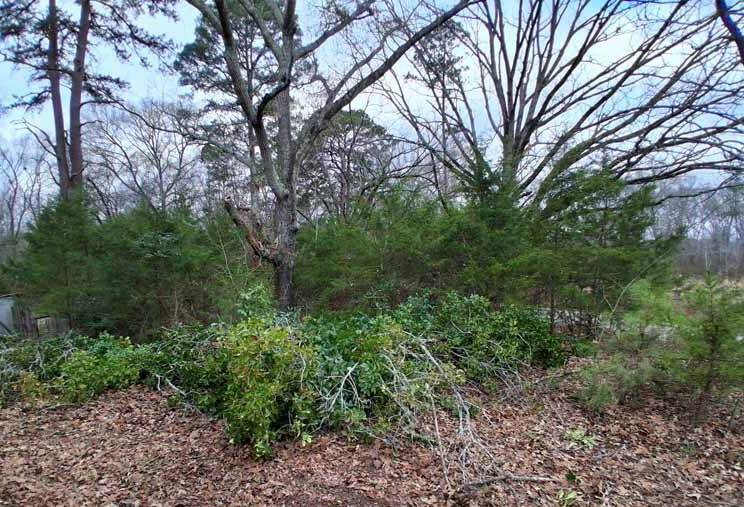
Arrowhead Outdoor Services provides brush removal for property owners in Tyler who need to eliminate thick undergrowth, invasive vegetation, and small trees that make land difficult to use or maintain. You may own rural property where brush has grown so dense that walking the land is no longer practical, hunting land where visibility has been reduced, or acreage where neglected fence lines and property edges have become impassable. Removing heavy brush restores open land, improves visibility, and reduces fire hazards, making your property safer and easier to manage.
Brush removal projects are common along fence lines, property boundaries, and sections of land that have been neglected for several years. Invasive species such as yaupon, privet, and dense thickets of saplings can take over quickly, blocking access and creating conditions that increase wildfire risk. Clearing this vegetation allows you to reclaim usable land, maintain clear property boundaries, and prepare the ground for fencing, grazing, or general land management. The work involves cutting and grinding or removing the brush, depending on the density and type of vegetation present.
If your property has been overtaken by heavy brush or you need to clear specific areas for fencing or access, schedule a free site walk to review the land and discuss your brush removal goals.
What Brush Removal Involves and What It Leaves Behind
When Arrowhead Outdoor Services begins a brush removal project, the crew uses specialized equipment designed to cut through dense undergrowth and grind it into mulch or clear it entirely. The approach depends on the type of vegetation, the intended use of the land after clearing, and your preference for how the site should look when the work is finished. For hunting land or areas where you want to maintain natural ground cover, mulching in place is often the best option. For fence lines or property edges where clean access is needed, the crew may remove the brush entirely.
After the work is complete, you will notice open ground where thick brush once blocked access. The property will be easier to walk, and you will be able to see across the land without obstruction. If the brush was cleared along a fence line, you will have clear access for fence repairs or installation. If the clearing was done to reduce fire hazards, the removal of dense undergrowth will reduce fuel loads and make the property safer during dry conditions. The cleared area will require less frequent maintenance and will be easier to manage going forward.
Brush removal does not include grading, stump removal, or soil preparation unless those services are specifically requested. If your project requires additional groundwork after the brush is cleared, those tasks must be planned separately. Arrowhead Outdoor Services brings more than 20 years of experience clearing heavy vegetation with specialized equipment, and the team is fully licensed and insured for all work performed.
What Property Owners Ask About Brush Removal
Property owners in Tyler often want to know how brush removal differs from other clearing methods, how long the work takes, and what to do about regrowth.
- What types of vegetation are removed during brush removal? Brush removal targets thick undergrowth, invasive species, saplings, and small trees that have overtaken the land. Larger trees require different equipment and are typically handled as part of a land clearing project.
- How long does it take to clear heavy brush from a property? The timeline depends on the density of vegetation and the size of the area. A few acres of dense brush may take several days, while lighter undergrowth on a smaller parcel can be cleared in a day or two.
- Why does brush grow back so quickly after clearing? Many invasive species and native brush plants regenerate from root systems or seeds left in the soil. Mulching helps suppress regrowth by blocking sunlight, but some species may require follow-up treatment or periodic maintenance.
- When is the best time to clear brush in Tyler? Fall and winter are ideal because the ground is firmer and equipment can move across the land without creating deep ruts. Clearing during these months also reduces the risk of heat stress for the crew and equipment.
- What happens to the brush after it is removed? Brush can be mulched in place, piled for later disposal, or hauled off-site depending on your preference and the intended use of the land. The crew discusses these options during the site walk.
Arrowhead Outdoor Services offers free site walks and estimates so you can walk the property with the crew, point out areas that need attention, and review the best approach for your land. If your property has become difficult to manage due to heavy brush or you are preparing for a fencing or land management project, contact the team to schedule a site visit and discuss your brush removal needs.