
Build Reliable Access Roads on Rural Property
Gravel Driveway Building in Tyler for property owners developing new home sites or improving access to barns and undeveloped land
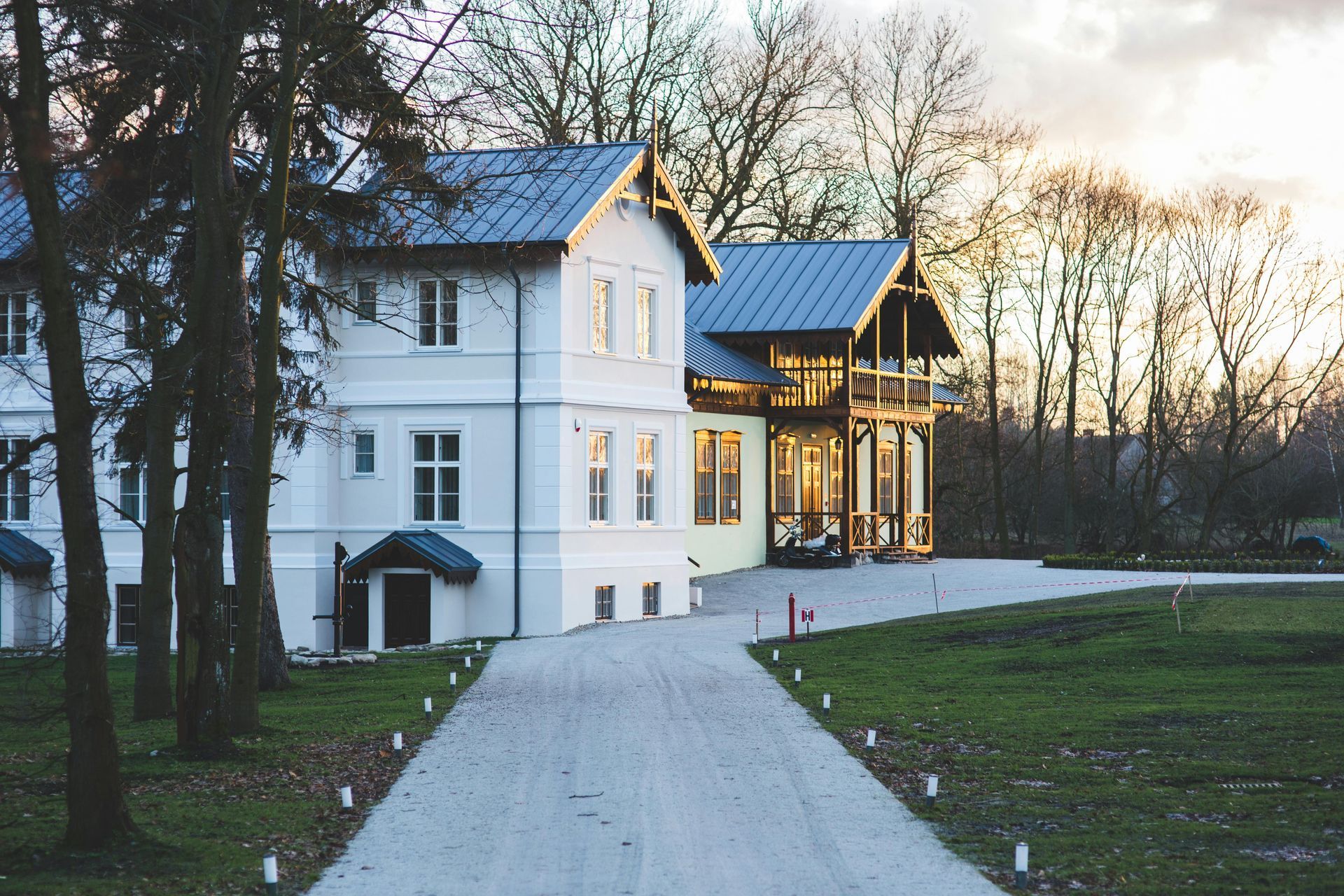
Arrowhead Outdoor Services provides gravel driveway building in Tyler and nearby communities for landowners who need durable access routes to rural homes, ranch properties, or construction sites where paved roads are not practical or cost-effective. Your property may lack a defined driveway, forcing vehicles to drive over grass or dirt that turns to mud during rainy weather and creates deep ruts that damage trucks and equipment. This service brings grading equipment and material delivery to shape the land, establish proper drainage, and lay gravel that provides a stable driving surface year-round.
The work involves clearing the driveway path of vegetation and debris, grading the soil to create a crowned or sloped surface that sheds water, and placing base layers of crushed stone topped with finer gravel for traction and compaction. In East Texas, where heavy spring rains and clay soils create persistent drainage challenges, proper grading is critical to preventing washouts and keeping driveways usable during wet periods. Arrowhead Outdoor Services uses box blades, motor graders, and dump trucks to shape and compact each layer, ensuring the finished driveway holds up under regular use by trucks, trailers, and heavy equipment.
Schedule a free site walk with Arrowhead Outdoor Services to discuss driveway placement, drainage needs, and the right gravel mix for your property conditions.
How Gravel Driveways Are Constructed
Your driveway project begins with a site evaluation to determine the best route based on terrain slope, existing drainage patterns, and proximity to structures or utility easements. The path is cleared and rough-graded to remove high spots and fill low areas, then fine-graded to create a gentle crown or cross slope that directs water off the driveway surface. Base rock is spread and compacted to provide structural support, followed by a top layer of smaller aggregate that locks together under traffic and resists displacement.
After construction, you will notice a firm, level driving surface that remains stable even after heavy rain, with runoff channeling into roadside ditches or vegetated areas instead of pooling on the driveway. Gravel is compacted and shaped to prevent rutting, and the crowned profile ensures water does not sit on the surface long enough to soften the base. Arrowhead Outdoor Services completes the work by checking final grades and making adjustments to ensure proper drainage along the entire length of the driveway.
This service does not include ongoing gravel replenishment or pothole repair after initial construction, though periodic maintenance is recommended to address settling or erosion over time. Driveway longevity depends on traffic volume, soil conditions, and weather exposure, but properly built gravel driveways in Tyler typically require minimal upkeep for several years.
Questions About Building Gravel Access Roads
Property owners often want to understand how gravel driveways are built and what to expect during and after construction.
- What type of gravel is used for driveways? Base layers typically use crushed limestone or granite for strength, while top layers use smaller crushed stone or pea gravel that compacts tightly and provides good traction.
- How thick should a gravel driveway be? Most rural driveways in Tyler are built with four to six inches of base rock and two to three inches of surface gravel, with total depth depending on soil type and expected traffic load.
- Why is grading important before gravel is placed? Proper grading prevents water from pooling on the driveway, which can weaken the base, create ruts, and lead to washouts during heavy rainfall common in East Texas.
- When is the best time to build a gravel driveway? Late spring through early fall offers the most consistent weather for grading and compaction, though driveways can be built year-round if soil conditions allow equipment access.
- What happens if the driveway develops ruts or low spots? Ruts usually indicate inadequate base depth or poor drainage and can be repaired by adding gravel and regrading the surface to restore crown and compaction.
Arrowhead Outdoor Services brings more than twenty years of equipment experience to every gravel driveway project and is fully licensed and insured, so your access road is built correctly from the start.